
One of the best things I ever did was develop my first online course.
Back in 2013, I created a course called YouTube Massacre.
I had gotten good at ranking YouTube videos and wanted to make some money teaching others.
Shame I chose that name; do not Google it as the images are graphic lol.
Anyhow, It sold ok for a first attempt but I clearly had lots to learn about developing an online course.
Since then, I co-launched a course that did over $200K in 6 days.
And have launched multiple recurring memberships.
All without going down the shady route of getting the wrong kind of affiliates who only promote as they want a reciprocal promotion.
So, in this post we will look at how to develop and launch an online course.
Putting Together an Online Course
Developing an online course is a big job, but if you follow a clear plan, it’s easy to launch a high-quality course that sells well.

The most common question I get from people who want to make an online course is how to start making their first course.
You have a great course idea.
You’re excited about it, but you don’t know how you’ll build it, get it off the ground, and grow it.
Even though it seems like a lot, the market for online courses is growing quickly.
So, how do you start building a successful online course business?
I’m going to show you a real-world way to make a complete online course that’s ready to sell and get it out on the market.

Here are the steps you need to take to make your own online course and get it up and running.
Write down your goals
This may seem like a simple step, but it’s actually a very important one.

If you don’t know what you want to achieve, you won’t know where to start.
- What do you hope to get out of this online class?
- Do you want more sales, more leads, more subscribers, or all of these things?
- What will you teach in your class?
- How will you help your students get what they want out of life?
- What will happen to them when they finish your course?
- How will you keep track of them?
- How will you know if you’ve done well?
You’ll need to be clear about what success means so that you can measure it.
How you build your course will depend on how you answer these questions.
Once you know what your goals are, it will be easier to see what you need to do and where to start.
Do your research
This is where it gets fun!

There is no better way to learn about something than by actually doing it.
But if you’re going to make an online course, you won’t want to just repeat what someone else has said.
This means you’ll have to find out more.
Find out as much as you can about the subject you’re going to teach.
Don’t just read books, read blogs, or listen to podcasts.
YouTube is a great place to find expert videos.
You can also talk to people who have made courses on the topic before.
Find out what they did and how they did it.
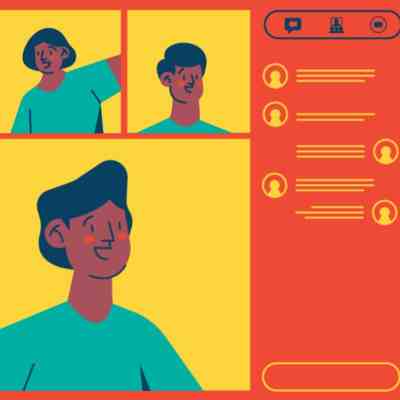
It might help to look at what other people did well and what they could have done differently in their online courses.
Create a course curriculum
When you know what you want to teach in your course, you can make your curriculum.
A good curriculum has a clear plan and breaks down each lesson into clear goals and tasks.

With a good outline, you can:
- course-plan ahead of time
- keep your mind on your goals.
- make sure you’re teaching the right things at the right speed
Start by making an outline.
This will be your plan for what your students will learn in your online course.
- What do you want to talk about most?
- What kinds of modules do you want to add?
- What kind of information will be in each module?
- At the end of each module, will there be a project or a test?
- How will you tell if a student is getting better?
- What is the main goal of your class as a whole?
- How will you judge the success of your students?
- What kinds of materials will you use to teach your course?
If you want to use video, you’ll have to figure out what kind of videos you need to make.
Will you need to record the screen?

Or perhaps only a few short videos?
How long is each video going to be?
At the end of each video, you might also want to add an exercise or test.
So, you can keep track of how many students do each assignment or test and see which ones are the most popular.
You can also use polls and surveys to find out what your students think.

You might want to have a short video before the course that introduces the course and explains its goals.
It can help your students get a feel for what they’ll be doing when they sign up.
Getting your content down and editing it
After you’ve made your course’s content, you need to start recording and editing it.

There are some important steps to take:
1. Record your content
This can be done in a number of ways, such as through video or audio recordings, PowerPoint presentations, or written content.
There is no one answer that works for everyone.
You have to decide how to go about it based on how comfortable you are and how much money you have.
You can record yourself speaking with a video camera or the webcam on your computer, or you can use software to record your screen as you go through your course materials.
If you don’t feel comfortable being on camera, you can also make courses that are just audio.
Some people even think about getting a videographer or producer to help.
No matter what you choose, the key is to record the content in a way that makes it easy to upload.
2. Edit your content
After you record it, you’ll need to edit it to make sure it’s clear and easy to understand.
This can be done with software like Adobe Premiere or Final Cut Pro, which is used for editing.

Take out anything that doesn’t belong and make sure the formatting is right. During editing, you can make sure everything is correct.
You should always check the final product for mistakes and make sure it is as good as it can be.
3. Upload your content
After you’ve changed it, you’ll need to put it on a platform for hosting courses.
This can be done through a website or a Learning Management System (LMS).
Start your course and get the word out:
After making your online course, it’s time to put it out there.
Some people think that all courses are the same and that they all sell the same thing.
That’s not right.
The goals and aims of each course are different.
People who want to learn more about exercise will be helped by a fitness coach course.
But the goal of an accounting class is to teach people how to use their accounts and keep track of their money.
People might learn how to draw or paint in an art class.
Marketing is one of the most difficult parts of selling a course online.

You need to tell people who might be interested in your course about it so they can find out more.
First, you need to know who you’re writing for.
Who do you want to buy what you have to sell?
Find out where they live by doing some research.
- Where do they go online to hang out?
- Do they look at news websites?
- Do they use social networks?

Here is where you should put your marketing efforts.
You’ll need to set up a landing page for your course and get people to go there.
You can do this by letting people know about your course on social media, on your blog, or through ads.
A landing page is a web page that leads people to your course.
It lets potential students learn more about your course.
It is important to have a social media presence.

Make sure you have a site, a Facebook page, and a YouTube channel.
You should also make advertising materials to hand out.
Make it fun to use
Online courses are a great way to teach people new skills.
But you’ll need to make it interactive if you want to teach someone something new.

An online course is only as good as the way the teacher and student talk to each other.
If you want to teach a subject that requires students to think critically, you’ll need to give them a chance to ask questions.
If you’re teaching a sales skill, you’ll need to give students ways to try out what they’ve learned.
And if you’re teaching something that needs a plan of action, you’ll need to give students a task they can do after watching each video.
Give your students a sense that they are in charge
This is one of the most important things to keep in mind when making an online course.
You don’t want your students to feel like they’re just going to a training session.
You want them to feel like they are part of a community, one that they can take with them wherever they go.
To do this, you need to make sure your students understand that their own success is up to them.
You’ll also need to make sure they know you won’t be doing all of their work for them.
You’ll have to show them how to be successful on their own and give them the tools and resources they need to do so.
Think about how you can make your students feel like they have a stake in their success as you make your course.
How can you make them think that what they do will make a difference?
Check your course and make it better
After your course is over, you need to think about how it went.
This means that you have to look at how your course affected the results.
If you don’t like your results, you can try making changes to see if you can get better ones.
You might need to change the way you teach sometimes.
If your students don’t do well, you might need to change how you teach them.
Putting yourself in the shoes of the students is the best way to make a lesson.
You need to know how they think so you can make sure your message comes across clearly.
You need to know what the students’ problems are before you can help them.
If you don’t know what the students need, you might not teach them the best ways to solve their problems.

They will be upset and unhappy when they leave your class.
It is important to look at how your course is doing to see what works and what doesn’t.
You should also look at the feedback and use it to make your course better.
Your course’s main goal is to make the students happy and content.
Conclusion
There is a lot more to developing an online course than you might think.
And to do it right requires effort.
But your students will thank you for it.
As will your bank balance in the long run.
We hope you enjoyed this article and wish you luck in your own course creation journey.